How to Never Run Out of Content Ideas: Build a System, Don't Wait for Inspiration
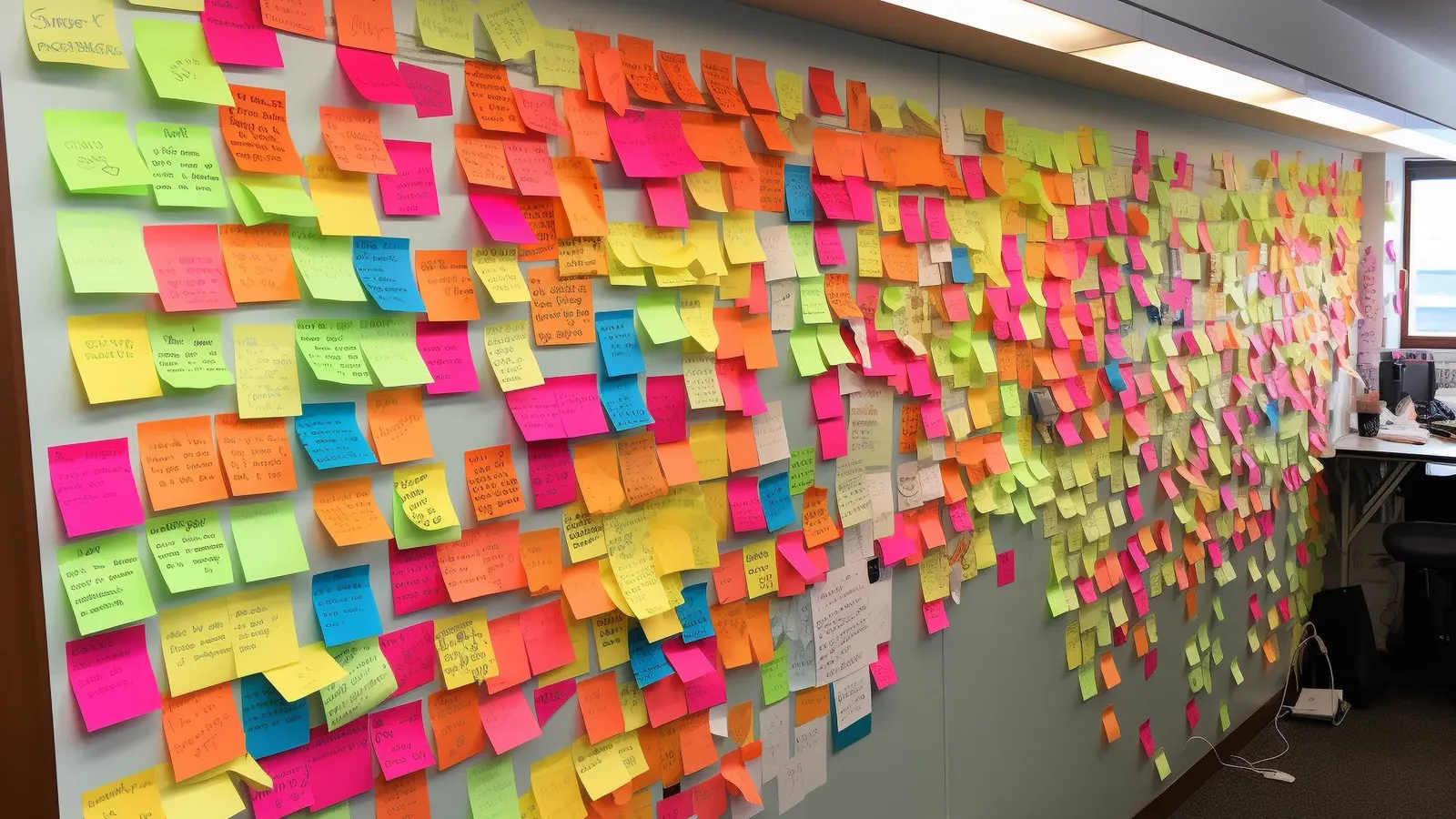
Almost every creator has been here: your upload date is close, your gear is ready, but your mind is blank. What are you making this week? So you scroll your feed for hours looking for inspiration, and end up making a half-hearted video or not uploading at all.
The problem is rarely a lack of creativity. Usually it’s because you go looking for ideas when you already need them, instead of collecting them ahead of time. Channels that stay consistent for years almost always have an idea system, however small. In this article we look at how to build one.
Start with content pillars
Content pillars are three to five broad themes that act as the “home” for all your content. Pillars make the channel feel focused to viewers, and they also narrow down where you look for ideas, so you’re not stuck wondering where to start.
Example for a home cooking channel:
- Everyday recipes: simple meals for the family.
- Budget shopping: cooking on a set budget, weekly grocery runs.
- Basic techniques: how to cut, how to store ingredients, base seasonings.
- Gear reviews: the pots, blenders and rice cookers you use every day.
Once your pillars are clear, “what should I make?” turns into “which pillar hasn’t been covered this week?”. The second question is much easier to answer.
When choosing pillars, check three things:
- Can you come up with at least 20 titles for this pillar without forcing it?
- Are there viewers who actually search for or watch this topic?
- Can you produce it regularly, in terms of gear, time and know-how?
If any of the answers is “no”, that pillar may work better as occasional content than as a main theme.
Build an idea bank that’s always stocked
An idea bank is a single place to hold every idea, no matter how small. The format is up to you: a spreadsheet, a notes app or a kanban board. What matters is that it’s one place, easy to open on your phone, and used by everyone on the team.
Simple columns that help:
| Column | Contents |
|---|---|
| Idea / working title | A short line, doesn’t need to be perfect |
| Pillar | Which theme it belongs to |
| Source | Comments, search, conversations, trends |
| Type | Trending or evergreen |
| Format | Long video, Shorts or both |
| Status | Raw, ready for research, ready for production |
Habits that keep an idea bank alive:
- Write it down right away. An idea that pops up while you’re out will almost certainly be lost if you don’t note it immediately.
- Don’t filter too early. An idea that sounds ordinary today can become a good one once it’s combined with another.
- Tidy it up once a week. Pick the most developed ideas, move their status forward, and drop the ones that clearly don’t fit.
Tip: Aim for an idea bank with at least twice as many ideas as the videos you plan each month. If you upload eight videos a month, try to always have around 16 ideas marked ready for research. That way you’re picking the best idea, not just whatever happens to be there.
Research from viewer comments and questions
The most honest source of ideas is your own audience. They’ve already told you what they want to watch; you just have to read carefully.
Places worth checking regularly:
- Your videos’ comment sections. Look for recurring questions, “can you cover…” requests, or parts that confused people.
- Comments on other channels with similar topics. Questions that go unanswered there can be an opening for you.
- The Research tab in YouTube Analytics. On some channels, YouTube Studio shows the topics your viewers are searching for. Availability and layout can vary by account, so check your own Studio.
- Search suggestions. Type a keyword into the YouTube search bar and look at the suggested completions. That gives you a rough picture of what people type often.
- DMs, groups and forums. Questions in Facebook groups, communities or forums in your niche are often more specific than comments.
When you find a question that comes up again and again, that’s a strong signal. One question can become a full video, and the short answer can become a Short.
Trending vs evergreen: keep the balance
Content ideas roughly fall into two groups.
Trending content follows whatever is hot right now: news, product launches, particular seasons, viral formats. The upside is the potential for a quick spike in views. The downside is a short lifespan and heavy competition. Arrive a few days late and the moment has passed.
Evergreen content stays relevant for months or years: basic tutorials, concept explainers, beginner guides. Growth is slow at first, but it can keep being found through search and recommendations for a long time.
There’s no ratio that works for every channel. News or gadget channels naturally lean toward trends. Education channels lean evergreen. What matters is knowing which one you’re making, and not depending entirely on either.
Practical ways to combine the two:
- Wrap evergreen content in a moment. A savings guide is evergreen, but it can be published with a “getting ready for holiday spending” angle ahead of a major holiday.
- Follow a trend with evergreen content. After a video about a product everyone is talking about, make a related beginner guide that stays useful once the buzz dies down.
- Prepare a seasonal calendar. Major holidays, the new school year, the end of the year. These moments are predictable, so the ideas can be prepared well in advance.
Ways to multiply one idea
A good idea rarely produces just one video. Some ways to develop it:
- Change the angle: beginner vs experienced, cheap vs premium, then vs now.
- Split it into a series: one big topic broken into parts that can each be watched on their own.
- Flip the question: from “how to do X” to “mistakes people make when doing X”.
- Test it in Shorts first: an idea you’re not sure about can be tried in short form. If the response is good, develop it into a long video.
This list also helps when your idea bank feels thin. Take an old video that performed well and apply one of the techniques above.
Schedule time to think
This part often gets skipped. An idea system needs dedicated time, not whatever time is left after editing. Set aside a regular session, for example an hour at the start of the week, to read comments, tidy the idea bank and choose which ideas to produce. If you work with a team, make it a short meeting. The result is an agreed list of ideas for the week, so production days don’t start with confusion.
Never running out of ideas isn’t about having a brain that’s always full of inspiration. It’s about the habit of collecting, organizing and choosing regularly. If you want this system running but your time is all going into production, the ngeyutub team can help build your content pillars, research topics and put together a content calendar for your channel.
Want your channel run by the same machine?
Free consultation. We'll audit your channel and send an automation plan.