A Guide to 24/7 YouTube Live Streaming: Servers, Encoder Settings and Music Rights
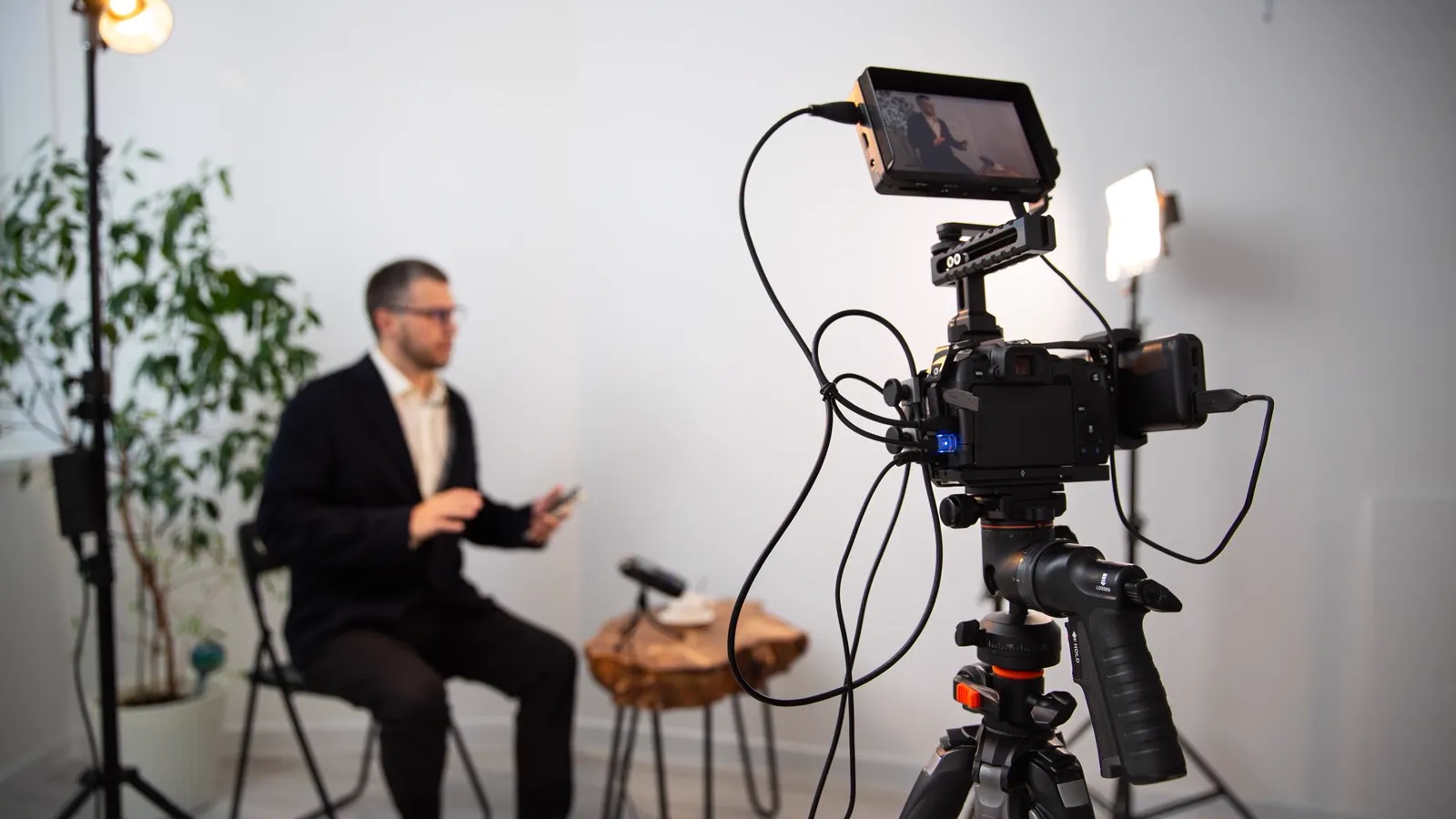
Lofi channels, chill music, rain sounds or always-on radio are the kind of content that suits a 24-hour live stream. Viewers come for company while they study, work or sleep, then leave the tab open for hours. It sounds simple: play a video, hit go live, done. In practice, keeping a stream alive for days on end needs a different setup from a regular live stream.
Our team runs several 24/7 music streams on our own channels. Here are the things that affect their stability the most.
Why you shouldn’t stream from a home PC
For a live stream of an hour or two, a home PC and OBS are enough. For a stream that never stops, a few problems are almost guaranteed:
- Power cuts. One outage and the stream drops, and it takes time to come back.
- Unstable home internet. Home connections often fluctuate, especially upload speed. A disruption of just a few seconds can cut the stream.
- Operating system updates. Windows can restart on its own in the middle of the night.
- The PC can’t be used for anything else. Continuous video encoding eats up the CPU or GPU.
- Electricity bills. Running a PC 24 hours a day for a month isn’t cheap.
The usual solution is a server (a VPS or dedicated server) in a data center. It has backup power, a symmetrical and stable connection, and can be managed remotely.
Choosing a server for live streaming
What you need from a server depends heavily on how you encode the video (covered in the next section). Things to check:
- Upload bandwidth and transfer quota. A 1080p stream at a medium bitrate can use hundreds of GB to more than 1 TB per month per stream. Make sure your server plan doesn’t cap transfer too tightly.
- Location. Choose a data center with good routes to YouTube’s ingest servers. Singapore is usually a safe choice for Southeast Asian audiences.
- CPU. If you encode during the stream, you need a strong CPU. If you don’t, even a small server will do.
- Storage. Enough to hold your looping video files and music.
Encode once, don’t encode live
This is the most common mistake. Many people run OBS or FFmpeg re-encoding the video in real time for 24 hours. The result is a CPU pinned at full load, an expensive server and a higher risk of the stream breaking.
A more efficient way:
- Prepare the final video (visuals + audio) on your computer or on the server, then encode it once with settings that meet YouTube’s standards.
- During the stream, send that file to YouTube without re-encoding (stream copy). In FFmpeg, that means using copy mode for video and audio, with the file read at its native speed.
- Repeat the file continuously (loop), or join several files into a playlist.
This way the server’s CPU is barely used. One small server can run several streams at once.
Encoder settings to stick to
When preparing the video file, pay attention to a few things YouTube asks for:
- A 2-second keyframe interval. This is the one most often missed. If keyframes are too far apart, YouTube will show a warning and quality can suffer on the viewer’s side. For 30 fps video, that means a keyframe every 60 frames.
- H.264 video codec, high profile, with constant bitrate (CBR) or close to constant.
- AAC audio, stereo, 128 kbps or higher, sample rate 44.1 or 48 kHz.
- Resolution and bitrate that match YouTube’s recommended settings table. For lofi content with simple visuals, 1080p at 30 fps is more than enough. Check the official table in the YouTube Help Center and pick a bitrate within the suggested range.
Tip: Before going live for real, run a test stream to a test channel or as “Unlisted” for a few hours. Open the “Stream health” tab in Live Control Room. If there are keyframe or bitrate warnings, fix the file first, not the server settings.
Auto-restart: the stream will drop
Even on a server, the stream can still drop now and then. The cause might be a network issue, YouTube closing the ingest connection, or the FFmpeg process stopping on an error. What matters is that the stream can come back on its own without you having to wake up at 3 AM.
Some common approaches:
- Run the streaming process as a service (for example systemd on Linux) with automatic restart enabled.
- Add a delay of a few seconds before restarting so you don’t end up in a rapid restart loop.
- Set up simple monitoring: check whether the process is still running and whether YouTube is still receiving data. Send a notification to Telegram or email if it’s been down for more than a few minutes.
- Keep logs so you can see the pattern of drops.
Use a persistent stream key and set it up in YouTube Studio so the stream starts automatically when data arrives and doesn’t end automatically too soon. That way, after a restart, data flows straight into the same broadcast or a new one without any manual clicks.
Archives and long stream durations
It helps to understand how YouTube handles very long streams so nothing catches you off guard:
- Streams that run for a very long time are generally not archived in full as a video. Automatic archiving only applies to streams up to a certain length (so far around 12 hours). Check the latest policy in the Help Center, because this rule can change.
- When the connection drops and reconnects, YouTube may treat it as a new broadcast, so several live entries can appear in your channel’s Live tab.
- Views, concurrent viewer counts and chat are tied to each broadcast. When the broadcast changes, the numbers on the old one stop.
So don’t rely on live archives as on-demand videos. If you want a long video people can rewatch, upload a separate version as a regular video.
Choosing what to play
A 24-hour stream doesn’t mean one video playing over and over with no variety. A few things that help:
| Element | Suggestion |
|---|---|
| Visuals | A smooth animated loop (rain, city lights, a character studying), with a loop length of a few minutes so the cut isn’t noticeable |
| Audio | A long playlist, at least several hours before it repeats |
| Variety | Change the playlist or visuals regularly, for example weekly |
| Title and thumbnail | Clearly state the mood and purpose, for example for studying or sleeping |
Also keep the reused content and inauthentic content policies in mind. A stream that only replays other people’s videos, or visuals and music you don’t have rights to, risks being demonetized or shut down.
Music rights: don’t just play anything
This is the part that most decides whether your stream survives. Popular music used without permission will almost certainly be detected by Content ID. On a live stream, the consequences can be heavier than a regular claim: the stream can be replaced with a warning screen or shut down, and repeated violations can lead to a strike.
Safer options:
- Music you made yourself, or by a composer you paid under a written agreement
- Licensed music libraries that clearly allow use for live streaming and YouTube monetization
- Music with a license that allows commercial use, with attribution as required by its terms
Read the license terms carefully. Not every library that allows “YouTube use” also allows 24-hour streams or monetization. Keep proof of license for every track.
Running a stable 24/7 stream is more about technical discipline than expensive gear: correctly encoded files, the right server, automatic restarts and safe music. If you want a live music channel but don’t want the hassle of managing servers and monitoring, ngeyutub can help set up and run your stream on our servers, with the same setup we use for our own channels.
Want your channel run by the same machine?
Free consultation. We'll audit your channel and send an automation plan.